
Dental Health in the Digital Age: How Australian Technology Is Changing Patient Experiences
The digital revolution has quietly transformed nearly every aspect of modern life, from the way Australians manage their finances to how they communicate, learn, and shop. Healthcare has evolved alongside these changes, and dentistry has emerged as one of the professions experiencing a remarkable technological renaissance. Today’s dentist is no longer limited to traditional tools and visual examinations. Instead, digital innovation is reshaping every stage of the patient journey, creating experiences that are more precise, comfortable, efficient, and personalised than ever before.
For Australians, this transformation represents much more than the arrival of sophisticated equipment. It reflects a broader shift towards preventive healthcare, informed decision-making, and treatments designed around the unique needs of every individual. Technology is not replacing clinical expertise; it is enhancing it, raising the standard of oral care while strengthening the relationship between practitioners and patients.
A New Era of Patient Confidence
For decades, one of the greatest barriers to regular dental visits has been uncertainty. Patients often struggled to understand complex procedures because they relied heavily on verbal explanations or two-dimensional images. Modern digital technologies have dramatically changed this dynamic.
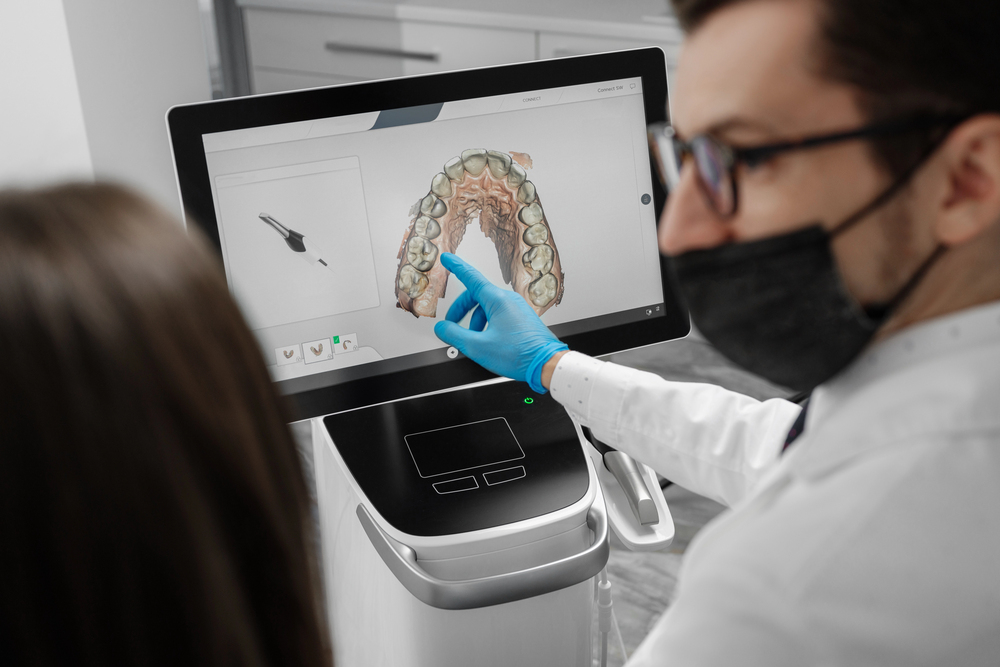
Three-dimensional imaging, digital intraoral scanners, and advanced treatment simulation software now allow patients to see their oral conditions in extraordinary detail. Rather than imagining the outcome of a proposed treatment, individuals can visualise expected results before procedures even begin.
This transparency encourages greater trust. A dentist can demonstrate areas of concern, explain why intervention is necessary, and involve patients in treatment planning with far greater clarity than ever before. Informed patients are generally more confident patients, leading to stronger long-term engagement with preventive care.
Precision That Benefits Everyone
Digital dentistry has introduced levels of precision that were difficult to achieve using conventional methods alone. High-resolution imaging, computer-assisted design, and advanced manufacturing technologies have significantly improved the accuracy of many restorative procedures.
Digital impressions, for example, eliminate many of the discomforts associated with traditional impression materials while producing highly accurate digital models. These models help dental laboratories fabricate restorations that fit more precisely, reducing adjustments and improving patient comfort.
Australian dental practices adopting these technologies are discovering that improved precision often translates into shorter appointments, enhanced predictability, and greater treatment efficiency. Every innovation contributes toward raising the standard of oral care without compromising the personalised attention that patients expect.
Artificial Intelligence as a Clinical Partner
Artificial intelligence has become one of the most exciting developments within modern dentistry. Importantly, AI is not intended to replace professional judgement. Instead, it functions as an intelligent assistant capable of analysing diagnostic images, identifying patterns, and highlighting areas that may deserve closer examination.
By supporting clinical assessments, AI can assist a dentist in detecting subtle changes that may otherwise be overlooked during routine evaluations. Early identification of cavities, periodontal disease, and other oral conditions creates opportunities for earlier intervention, often resulting in less invasive treatments.
Australian practices incorporating AI-powered diagnostic support continue to emphasise that technology complements—not replaces—the knowledge, experience, and ethical responsibility of qualified dental professionals.
Digital Communication Beyond the Clinic
Technology has expanded the dental experience far beyond the treatment chair. Secure online appointment systems, automated reminders, digital health records, and virtual consultations have simplified many aspects of patient care.
For Australians living in regional or remote communities, these digital solutions can improve accessibility by reducing unnecessary travel for preliminary consultations or follow-up discussions. Telehealth services also enable patients to receive professional guidance when determining whether urgent treatment is required.
Digital communication strengthens continuity of care by allowing practices to remain connected with patients between appointments. Preventive advice, personalised oral hygiene recommendations, and post-treatment instructions can all be delivered efficiently through secure digital platforms.
Personalisation Through Data
Modern healthcare increasingly recognises that no two patients are identical. Digital technologies allow dental professionals to gather and interpret information that supports more personalised treatment planning.
Medical history, imaging records, bite analysis, lifestyle factors, and previous treatment outcomes can be integrated into comprehensive digital records. This enables every dentist to evaluate the complete clinical picture rather than isolated symptoms.
Personalised dentistry encourages preventive strategies tailored to each patient’s individual risks, oral habits, and long-term goals. Instead of reacting only when problems become painful, clinicians can focus on anticipating future concerns before they develop into significant complications.
Improving Comfort Without Compromising Quality
One of the most noticeable benefits of digital dentistry is the improvement in patient comfort. Faster imaging systems reduce appointment times, digital scanners replace many uncomfortable impression techniques, and guided treatment planning enhances procedural efficiency.
Patients who have experienced dental anxiety often find these technological advances reassuring. Greater predictability, clearer communication, and reduced treatment complexity contribute to more positive experiences overall.
As practices continue raising the standard of oral care, comfort is increasingly viewed as an essential component of quality healthcare rather than an optional luxury.
The Human Element Remains Essential
Despite extraordinary technological progress, the heart of dentistry remains profoundly human. Machines cannot replace empathy, clinical judgement, ethical decision-making, or compassionate communication. Digital systems provide valuable information, but it is the expertise of a skilled dentist that transforms data into thoughtful clinical care.
Australian dentistry continues to demonstrate that innovation is most successful when technology supports—not overshadows—the patient-practitioner relationship. Trust is still built through listening, education, transparency, and genuine concern for individual wellbeing.
As digital innovation continues to evolve, the future of oral healthcare will likely become even more connected, predictive, and personalised. Emerging technologies promise earlier diagnosis, increasingly precise treatment planning, and more efficient clinical workflows that benefit both practitioners and patients alike.
Ultimately, the digital age is redefining expectations of dental care across Australia. By embracing innovation while preserving the human values that underpin healthcare, the profession continues raising the standard of oral care and delivering experiences that place patients at the centre of every technological advancement. The result is a future where every visit to the dentist becomes not simply a clinical appointment, but a collaborative journey towards lifelong oral health supported by science, technology, and compassionate care.
How CEREC Dental Crowns Are Redefining Dental Health Across Australia
Australia’s approach to oral healthcare has entered a new era where speed, precision, and long-term wellbeing are no longer competing priorities. As digital technologies continue to reshape modern dentistry, patients are discovering that restoring a damaged tooth no longer needs to involve multiple appointments, temporary restorations, or extended waiting periods. Instead, innovation has transformed the experience into one that is efficient, predictable, and remarkably patient-centred.
Among these advancements, CEREC dental crowns have emerged as one of the most influential developments in restorative dentistry. More than simply replacing damaged tooth structure, they represent a shift toward preserving natural teeth while delivering aesthetic excellence through sophisticated digital workflows. Across Australia, dentists are embracing this technology not because it is new, but because it consistently produces outcomes that align with the evolving expectations of today’s patients.
The Evolution of Modern Dental Restoration
Traditional dental crowns have served patients well for decades. However, conventional methods often required physical impressions, temporary crowns, laboratory fabrication, and multiple clinical visits before treatment could be completed.
Digital dentistry has fundamentally reimagined this process.
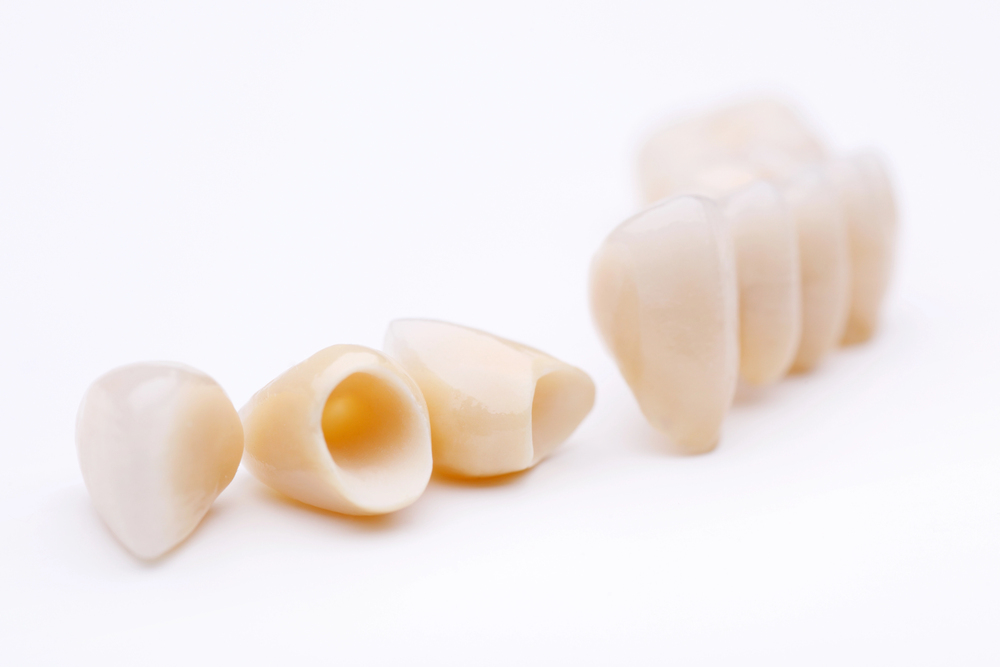
Instead of relying on conventional impressions, dentists use advanced intraoral scanners to capture highly detailed three-dimensional images of the patient’s teeth. Computer-aided design (CAD) software allows clinicians to design restorations with exceptional precision, while computer-aided manufacturing (CAM) technology mills the crown from high-quality ceramic blocks directly within the dental practice.
The result is a restoration that reflects the unique anatomy of each patient rather than relying solely on standardised laboratory techniques. This technological integration demonstrates how dentistry is increasingly becoming both an art and a data-driven science.
Precision That Extends Beyond Appearance
Many patients initially focus on how natural a dental crown looks, but the true value lies beneath its surface.
A well-designed crown protects weakened tooth structure, restores proper bite alignment, distributes chewing forces more evenly, and reduces unnecessary stress on neighbouring teeth. Even subtle inaccuracies in crown fit can influence long-term oral function.
Digital imaging significantly improves precision by eliminating many variables associated with traditional impressions. Accurate margins help reduce bacterial infiltration while preserving surrounding gum tissue, supporting healthier oral environments for years to come.
This attention to microscopic detail reflects a broader philosophy in contemporary dentistry: successful treatment is measured not simply by replacing what has been lost, but by preserving what remains healthy.
Australia’s Growing Demand for Same-Day Dentistry
Australians increasingly seek healthcare solutions that fit busy lifestyles without compromising quality. Whether balancing work commitments, family responsibilities, or travel schedules, many patients appreciate treatments that minimise disruption.
This demand has accelerated the popularity of CEREC dental crowns, allowing eligible patients to receive permanent ceramic restorations during a single appointment.
Beyond convenience, same-day treatment offers important clinical advantages. Temporary crowns can occasionally loosen, fracture, or allow sensitivity before the final restoration is fitted. Eliminating this interim phase reduces these potential complications while providing patients with immediate function and comfort.
For regional communities throughout Australia, fewer appointments may also reduce travel requirements, making advanced restorative dentistry more accessible to people living outside major metropolitan centres.
Digital Dentistry Builds Greater Patient Confidence
Modern patients are more informed than ever before. They appreciate transparency, visual communication, and involvement in treatment planning.
Digital scanning allows patients to see detailed images of their own teeth on-screen, transforming abstract dental explanations into meaningful visual conversations. Rather than imagining what requires treatment, patients gain a clearer understanding of their oral condition and the proposed solution.
This collaborative approach helps reduce uncertainty while strengthening trust between dentist and patient. When people understand both the problem and the treatment process, they often feel more comfortable making informed healthcare decisions.
Technology, therefore, does more than improve clinical precision—it enhances communication and patient confidence throughout the entire treatment journey.
Ceramic Materials Designed for Modern Smiles
The ceramic materials used in contemporary restorations have evolved considerably over recent decades.
Today’s high-quality dental ceramics are engineered to replicate the translucency, colour variation, and light-reflecting characteristics of natural enamel. They are also biocompatible, making them suitable for many patients with sensitivities to metal-based restorations.
While no dental restoration lasts forever, durable ceramic crowns can provide many years of reliable performance when supported by good oral hygiene, routine dental examinations, and healthy lifestyle habits.
This combination of aesthetics and durability has made ceramic restorations increasingly popular throughout Australian dental practices focused on minimally invasive and biologically respectful care.
Oral Health Is About More Than Teeth
A healthy smile influences far more than appearance.
Damaged or weakened teeth may affect chewing efficiency, speech clarity, nutritional choices, and even social confidence. Some individuals unconsciously avoid smiling or speaking openly because they feel self-conscious about compromised teeth.
Restoring a damaged tooth often restores something less tangible as well—the willingness to laugh freely, participate confidently in conversations, and engage socially without hesitation.
When restorative dentistry improves both function and self-esteem, patients frequently discover benefits that extend into professional opportunities, personal relationships, and overall quality of life.
In this sense, dental treatment becomes an investment not only in oral health but also in emotional wellbeing.
The Future of Australian Restorative Dentistry
Digital dentistry continues to evolve through artificial intelligence, enhanced imaging systems, and increasingly sophisticated manufacturing technologies. Future innovations will likely improve predictive treatment planning, material performance, and personalised care even further.
Yet despite rapid technological progress, one principle remains unchanged: successful dentistry should preserve natural teeth whenever possible while restoring comfort, function, and confidence.
That philosophy explains why CEREC dental crowns continue gaining recognition throughout Australia. They embody a modern healthcare model where efficiency complements precision, technology supports clinical expertise, and patients experience fewer compromises during treatment.
Ultimately, restoring a tooth is about far more than replacing damaged enamel. It is about rebuilding confidence, protecting long-term oral health, and creating smiles that reflect both strength and authenticity. For Australians seeking advanced restorative solutions, embracing digital innovation can do more than repair a tooth—it can elevate your smile and confidence, proving that the future of dentistry is already transforming lives one carefully crafted restoration at a time.

The Future of Smile Care: Innovations Connecting Dental Health and Cosmetic Dentistry
The future of oral healthcare is no longer defined by simply treating cavities or replacing missing teeth. It is evolving into a comprehensive approach where prevention, aesthetics, technology, and long-term wellness converge to create healthier, more confident lives. This transformation is changing the way patients think about their smiles, proving that modern cosmetic dentistry is as much about preserving oral health as it is about enhancing appearance.
For decades, dental care was often viewed as reactive. People typically sought treatment only when pain or discomfort became impossible to ignore. Today, however, advancements in digital technology, biomaterials, and preventive science are encouraging a more proactive philosophy. Instead of merely repairing damage, dental professionals are increasingly focused on predicting, preventing, and improving oral conditions before they develop into more complex problems.
This shift reflects a broader understanding that a smile is a living system connected to overall wellbeing. Healthy teeth contribute to proper nutrition, clear speech, facial support, and self-esteem, while healthy gums play a significant role in reducing inflammation throughout the body. The future of smile care therefore extends beyond aesthetics—it embraces total oral wellness.
One of the most exciting developments is the integration of artificial intelligence into dental diagnostics. AI-assisted imaging can analyse thousands of radiographic patterns in seconds, helping clinicians identify early signs of tooth decay, periodontal disease, and structural weaknesses that might otherwise remain unnoticed. Rather than replacing professional judgement, these intelligent systems provide another layer of precision, enabling earlier intervention and more conservative treatment.
Digital scanning technologies have also transformed patient experiences. Traditional dental impressions, once associated with discomfort and inaccuracies, are increasingly being replaced with highly detailed intraoral scanners. These digital models allow dentists to visualise every contour of the mouth with remarkable precision, supporting customised treatment plans while improving patient comfort. The result is a smoother workflow from diagnosis through final restoration.
As these technologies continue to mature, personalised treatment is becoming the new standard. Every patient’s facial proportions, bite alignment, lifestyle habits, and oral health history can now be incorporated into comprehensive digital planning. This level of customisation allows dental professionals to design solutions that are not only beautiful but also structurally balanced and biologically compatible.
Modern restorative materials further strengthen this connection between function and appearance. High-strength ceramics, advanced composite resins, and bioactive materials closely replicate the colour, translucency, and durability of natural teeth. Some materials even encourage remineralisation by releasing beneficial minerals into surrounding tooth structures, helping protect against future decay while maintaining a natural appearance.
Preventive dentistry is also entering a new era. Wearable health technology, smart toothbrushes, and connected oral health applications are enabling individuals to monitor brushing habits, detect areas requiring greater attention, and receive personalised recommendations. These innovations encourage daily behaviours that reduce disease risk while supporting long-term dental investments.
Meanwhile, three-dimensional printing continues to reshape laboratory workflows. Custom crowns, surgical guides, orthodontic appliances, night guards, and temporary restorations can often be produced with remarkable speed and accuracy. Reduced production times translate into shorter treatment durations, improved fit, and enhanced patient convenience.
The relationship between oral health and facial harmony is another area experiencing rapid innovation. Digital Smile Design software allows clinicians and patients to collaborate before treatment even begins. By combining facial photography, digital impressions, and computer-generated simulations, patients gain a realistic preview of potential outcomes. This collaborative planning process improves communication while ensuring expectations remain realistic and achievable.
Importantly, these technological advances are reinforcing the role of cosmetic dentistry as a health-focused discipline rather than a purely aesthetic service. Procedures such as correcting worn teeth, replacing missing teeth, improving bite alignment, or restoring fractured enamel often enhance chewing efficiency, reduce abnormal tooth wear, and improve oral function alongside visual improvements. The most successful cosmetic treatments are those that strengthen both confidence and long-term oral stability.
Research into regenerative dentistry promises even greater possibilities. Scientists are exploring stem cell therapies, tissue engineering, enamel regeneration, and bioengineered dental structures that may one day reduce reliance on conventional restorations. While many of these innovations remain under active investigation, they represent a future where damaged tissues may be biologically repaired rather than mechanically replaced.
Sustainability is also influencing modern dental practice. Digital records reduce paper waste, precise manufacturing minimises material consumption, and environmentally conscious sterilisation and recycling initiatives are becoming increasingly important. Patients are showing greater interest in healthcare providers who embrace both clinical excellence and responsible environmental practices.
Australia continues to be at the forefront of adopting many of these advancements. Dental practices are increasingly investing in digital workflows, minimally invasive procedures, and patient-centred technologies that improve treatment accuracy and comfort. For communities seeking progressive oral healthcare, clinics committed to innovation are demonstrating how science and artistry can work together to deliver exceptional outcomes.
This evolution is particularly evident in practices that recognise every smile tells a unique story. Rather than applying standardised treatments, today’s clinicians increasingly develop tailored strategies that reflect individual facial features, oral health goals, and lifestyle needs. The result is dentistry that feels both highly personal and scientifically sophisticated.
For patients searching for trusted providers, Brisbane Smiles represents the growing movement toward comprehensive, future-focused dental care. By embracing innovation while maintaining a strong commitment to preventive principles, modern clinics help patients protect both the health and appearance of their smiles for years to come.
Ultimately, the future of smile care lies not in choosing between health and beauty but in recognising that they are inseparable. As digital technologies, regenerative science, advanced materials, and personalised treatment continue to evolve, dentistry is becoming more predictive, less invasive, and increasingly patient-centred. The smiles of tomorrow will not simply look better—they will function better, last longer, and contribute more meaningfully to overall health and quality of life. That vision represents the true future of dentistry: where innovation empowers every individual to smile with lasting confidence.
Understanding Dental Emergencies: Prevention, Response, and Care Principles
An acute dental crisis can occur at any moment, turning a normal day into a frantic search for relief. Unlike typical medical issues that can occasionally be managed with rest and over-the-counter medication, oral emergencies frequently involve severe pain, structural damage, or rapidly spreading infections that require immediate attention. Understanding how to categorise these events, execute proper first-aid protocols, and implement preventative measures is essential for protecting your long-term oral health and minimising permanent damage to your teeth and gums.
Recognising an Oral Crisis
Not every case of oral discomfort qualifies as a genuine emergency. Knowing the difference between an issue that can wait for a regular clinic appointment and one that needs immediate triage ensures that clinical resources are used effectively. True emergencies usually fall into two main categories: structural trauma and acute infection. Each requires a distinct diagnostic approach and timeline.
Structural injuries include fractured, loosened, or completely knocked-out teeth, which often happen during sports, workplace accidents, or accidental falls. On the other hand, infectious emergencies involve severe, throbbing pain, visible swelling in the jaw or face, and systemic symptoms like a fever. These warning signs mean an infection has broken through the tooth’s hard protective layers and entered the soft inner pulp or surrounding bone, creating a time-sensitive medical situation.
Immediate Response Protocols
When an oral injury occurs, the actions taken in the first thirty to sixty minutes heavily influence whether a tooth can be saved. If a permanent tooth is completely knocked out (avulsed), it must be handled only by the crown, never by the root, to protect the delicate periodontal ligament cells. Gently rinse the tooth with milk or saline if it is dirty, and try to re-implant it directly back into the socket. If that is not possible, submerge the tooth in a container of milk or the patient’s saliva to keep the root alive while travelling to a clinic.
For severe fractures or sudden, intense toothaches, rinse the mouth with warm salt water to clean the area and reduce local bacteria. Cold compresses applied to the outside of the cheek can help minimise swelling and numb the pain. Managing incidents involving dental trauma may improve outcomes when an emergency dentist is involved, as specialized practitioners have the specific diagnostic tools and equipment needed to stabilise loose teeth and treat damaged pulp tissues immediately.
Prevention and Risk Mitigation
While some accidents are completely unavoidable, a significant percentage of urgent dental visits can be prevented with proactive habits and protective gear. Fractures and structural injuries related to sports can be reduced by wearing a professionally fitted, custom mouthguard during both contact and non-contact athletic activities. These appliances absorb and distribute impact forces, protecting the teeth, lips, and jawbone from direct trauma far better than over-the-counter options.
Similarly, infectious emergencies are rarely completely sudden; they are usually the result of long-standing, untreated decay or gum disease. Over time, minor cavities can break through the enamel and dentin layers, eventually reaching the pulp cavity. Maintaining a strict oral hygiene routine—brushing twice a day with fluoridated toothpaste, flossing daily, and attending bi-annual dental check-ups—allows clinicians to catch and treat minor decay before it turns into a painful, deep-seated abscess.
Principles of Professional Emergency Care
When you arrive at an emergency clinic, the focus shifts to pain management, halting infection, and saving as much natural tooth structure as possible. Practitioners use digital radiographs to assess damage beneath the gumline, checking for root fractures or bone loss. Treatment can range from protective bonding for minor chips to emergency root canal therapy for exposed nerves, or even splinting to secure loose teeth while the surrounding bone heals.
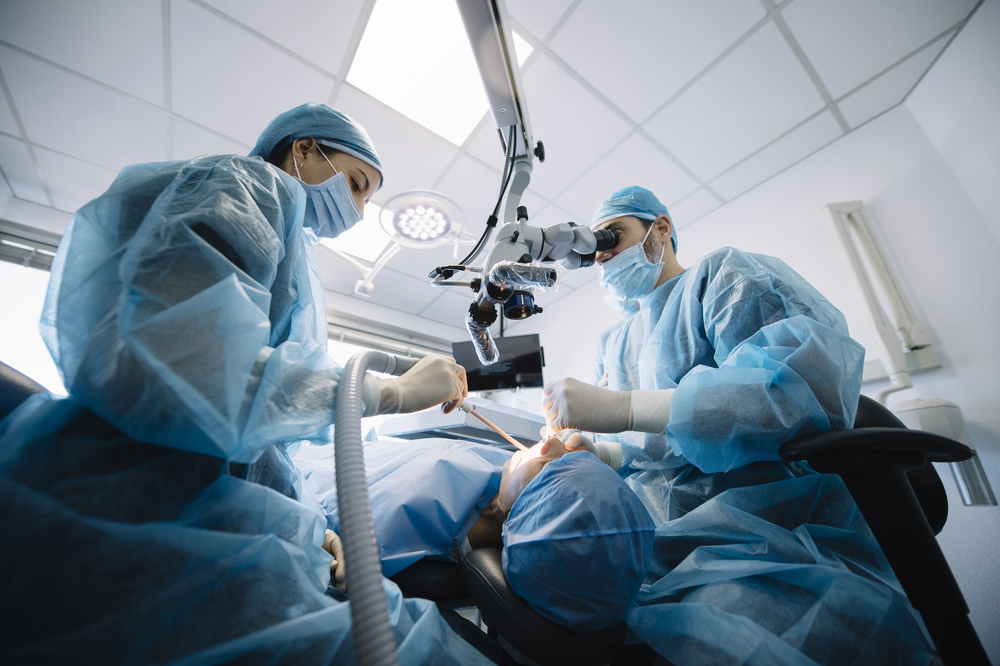
Emergency clinicians focus heavily on triage, prioritising cases based on pain severity, infection risk, and the window of time available to save a tooth. While general dentists are fully qualified to handle a wide range of urgent issues, navigating complex facial trauma, severe swelling, or surgical extractions often requires deep expertise. Many practitioners pursue specialized education and training to refine their skills in oral surgery, advanced pain management, and rapid crisis intervention, ensuring patients receive precise and efficient care during highly stressful medical situations.
Strategic Dental Marketing for Positioning Practices in Competitive Healthcare Markets
The private healthcare sector in Australia operates within an incredibly saturated environment, forcing local dental practices to re-evaluate how they present their services to the public. As consumer expectations shift away from purely clinical outcomes toward holistic healthcare experiences, practices must treat their clinical offerings with identical strategic rigor as any commercial enterprise. Relying exclusively on general check-ups and word-of-mouth is no longer sufficient to guarantee sustainable operational growth. Forward-thinking practitioners are instead focusing on high-value treatments, clear target market segmentation, and distinct brand positioning to isolate their clinics from local competitors and secure a reliable market share.
Identifying and Segmenting the Local Patient Base
To establish a defensible market position, an Australian dental practice must construct a precise service-customer matrix to evaluate which local patient segments yield the highest strategic alignment. Rather than pursuing a generic, broad-market approach that dilutes the impact of promotional expenditures, practices should classify their target demographics by specific needs, insurance status, and physiological requirements.
For instance, younger metropolitan demographics often seek rapid, minimally invasive cosmetic enhancements driven by aesthetic motivations. Conversely, the rapidly ageing demographic throughout regional and suburban Australia presents an entirely different clinical and socioeconomic profile. Regional cohorts frequently present complex oral health challenges associated with long-term tooth retention, necessitating comprehensive restorative care pathways. By mapping these specific demographic trends against internal clinical strengths, a practice can deliberately design its operational focus around the unique dental requirements of its surrounding geographical community.
Positioning High-Value Clinical Services
True differentiation in a crowded healthcare market requires a practice to elevate itself from a commodity service provider into a specialized center of clinical excellence. Focusing promotional resources on complex, high-value treatments allows clinics to insulate their profit margins from aggressive local price competition. This strategic pivot is especially crucial given the growing demand for dental implants among patients who prioritize long-term functionality, aesthetic integration, and advanced structural bone preservation over traditional, less stable prosthetic alternatives.
Positioning a clinic as an authority in advanced implantology and restorative dentistry requires a concerted focus on communicating practitioner expertise, advanced technological integration, and predictable patient outcomes. When considering complex clinical procedures, modern patients rank a dentist’s specialized experience and career longevity far higher than treatment discounts. Marketing collateral should therefore avoid general messaging and instead highlight the clinic’s utilization of advanced diagnostic technologies—such as cone-beam computed tomography (CBCT) and computer-aided design or manufacturing (CAD/CAM) workflows—to assure anxious patients of precise, data-driven surgical planning.
Cultivating Authenticity and Patient Loyalty
While modern diagnostic equipment and advanced clinical competencies establish market credibility, long-term practice growth remains dependent on the emotional and sensory experiences delivered throughout the patient journey. In highly homogenous medical markets, patients frequently struggle to discern technical differences between competing practices, causing them to default to the lowest-priced provider. To counteract this trend, dental brands must cultivate perceived brand authenticity, which directly fosters deep emotional connections, patient retention, and genuine loyalty.
An authentic patient experience is built upon transparent communication regarding clinical risks, clear pricing structures, and empathetic care environments. When a practice consistently exceeds consumer expectations during complex treatment pathways, patients transition from one-time service consumers into active brand advocates. This internal relationship-building strategy amplifies local organic growth, as satisfied restorative patients become highly reliable sources of high-value, word-of-mouth referrals within their own demographic circles.
Activating Strategic Digital Channels
The modern patient journey almost universally initiates within digital environments, rendering a passive online footprint highly counterproductive. To effectively transform local search intent into confirmed clinical appointments, dental practices must deploy targeted digital search engine optimization (SEO) alongside proactive educational content creation. High-value clinical services cannot be effectively promoted via transactional advertising alone; instead, practices should publish informative resources that demystify surgical processes, clarify recovery expectations, and outline structured payment timelines.
Maintaining a highly consistent, professional presence across digital platforms requires dedicated multi-channel coordination, which can place an immense operational burden on busy in-house clinical teams. To prevent fragmented digital messaging and ensure ongoing engagement with prospective patients, practitioners can easily partner with specialized external experts to get started with social media management programs. This systematic optimization of external communication channels ensures that a practice’s unique value proposition, technological advancements, and clinical positioning remain visible to the exact consumer segments most likely to require advanced dental care.
Refined Dental Marketing Approaches That Strengthen Patient Trust
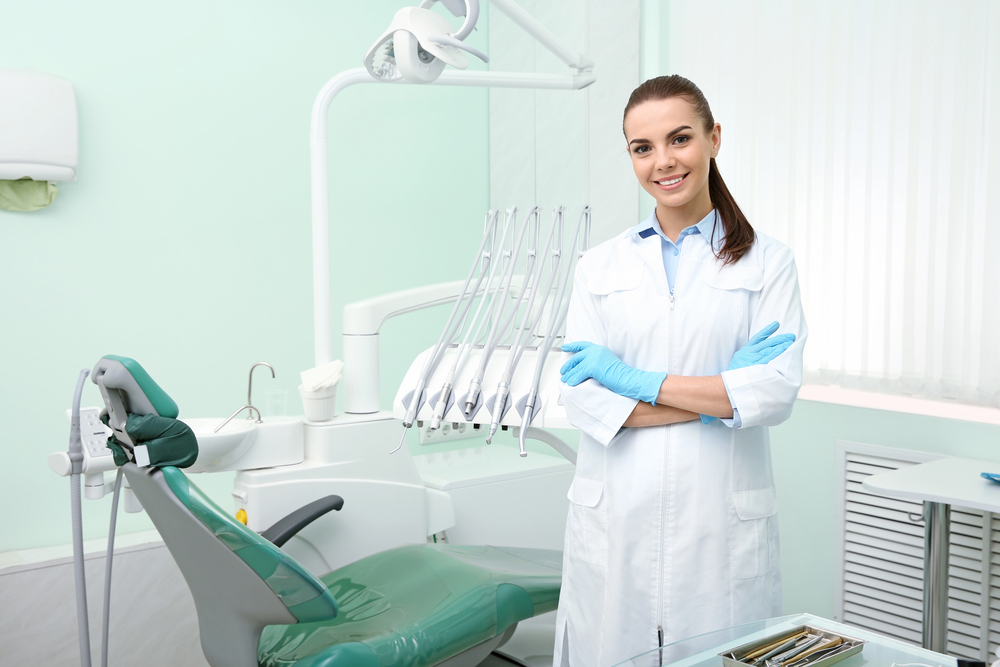
The landscape of healthcare marketing has evolved dramatically across Australia, shifting from broad corporate advertising to a precision-focused, trust-centric paradigm. For dental practices operating in highly competitive urban and suburban territories, old-school promotional methods no longer cut through the noise. Patients are more informed, increasingly cautious and have unprecedented access to peer insights before making clinical selections. Building a prosperous, sustainable dental practice requires refined marketing approaches that elevate transparency, project clinical authority and directly foster consumer confidence without relying on aggressive, high-pressure sales tactics.
Cultivating Transparency Through Authentic Visual Proof
Modern Australian dental consumers possess an innate skepticism toward stock imagery and over-polished corporate narratives that feel mass-produced. To break down this barrier, practices must treat their digital channels as windows into their everyday clinical realities and patient interactions. Incorporating genuine, unedited clinical evidence, such as consistent, high-contrast before-and-after photograph portfolios, serves as empirical evidence of a practitioner’s technical capability and attention to detail.
When presenting these visual case studies, it is crucial to move beyond the superficial display of a final result. Providing a narrative that details the initial presentation, the diagnostic considerations, the patient’s unique aesthetic objectives and the conservative treatment methodologies chosen humanises the clinical environment. This transparent breakdown educates potential patients, helps demystify complex clinical workflows and sets accurate, realistic expectations before they ever set foot inside the clinic for an initial consultation.
Capitalising on Digital Narratives and Social Influence
The modern path to selecting a practitioner has migrated heavily to online spaces, largely driven by the peer-to-peer validation found on digital networks. This trend highlights the growing influence of social media on choosing a cosmetic dentist, where modern consumers routinely critique a clinic’s standard of work, patient interactions and philosophical approach to care via educational video content, live question-and-answer panels and interactive patient case studies.
Rather than using social platforms merely for promotional broadcasts, forward-thinking practices leverage them to showcase their dedication to patient comfort, continuing professional development and advanced clinical technologies. By shifting the content focus away from overt corporate sales pitches and focusing heavily on clinical authenticity and patient comfort, a dental practice can successfully cultivate an active digital community rooted in mutual trust, respect and clinical transparency.
Implementing Educational Content Marketing and Patient Literacy
True patient trust is built upon the foundation of thorough, transparent education. When individuals feel genuinely informed about their oral health conditions and treatment choices, their underlying anxiety drops significantly, making them far more receptive to comprehensive treatment planning. An exceptional marketing approach involves generating deep, highly accessible educational content that directly answers common patient concerns, dental anxieties and procedural questions.
Practices can implement this through comprehensive website blog resources, video explainers on post-operative care and detailed breakdowns of complex material choices, such as composite versus ceramic alternatives. By positioning the dental practice as an educational authority that prioritises long-term patient well-being over immediate commercial gain, the clinic builds deep, enduring loyalty with its local patient database and attracts high-value cases.
Navigating Patient-Centric Communication in the Digital Age
To truly resonate with modern dental consumers, communication must move past clinical jargon and address the actual emotional triggers behind a patient’s hesitation. Refined dental marketing strategies focus on storytelling that mirrors the real-world experiences of the community. This involves explaining not just the technical procedures themselves, but detailing the strict infection control protocols, the continuous training of the auxiliary staff and the preventative philosophies that safeguard long-term oral health.
Furthermore, optimizing the digital user experience ensures that patients encounter a seamless, stress-free journey from their very first online interaction. Features like intuitive booking systems, transparent fee structures and readily available financial plan explanations reduce administrative friction. When a clinic demonstrates respect for a patient’s time and financial peace of mind before they book, it establishes a solid baseline of mutual trust.
Maximising Reputation Management and Ethical Social Proof
Online reviews on major search directories operate as the definitive modern form of word-of-mouth validation. However, a high volume of positive ratings is only half of the trust equation; the specific substance of those reviews and how a clinic handles them carries equal weight. Refined reputation management encourages patients to share detailed accounts of their emotional journeys, emphasizing elements such as the staff’s clinical empathy, gentle handling of dental anxiety and absolute transparency throughout the billing process.
Crucially, how a practice responds to rare instances of public criticism acts as a profound reflection of its core operational integrity and patient care values. Addressing negative remarks with strict professional courtesy, maintaining absolute patient privacy and showcasing a genuine, constructive willingness to resolve operational gaps reinforces to potential patients that the clinic values patient welfare above its public image. Partnering with a dedicated expert when it comes to dental marketing ensures that these patient feedback loops, brand touchpoints and ethical reputation strategies are implemented seamlessly, allowing the clinical team to remain entirely focused on delivering world-class patient care.

The Essential Foods That Strengthen Children’s Teeth and Prevent Cavities
Building a solid foundation for your child’s health involves more than tracking growth charts and scheduling vaccinations. One of the most critical, yet frequently overlooked, aspects of early development is oral health. Tooth decay remains a prevalent chronic childhood condition across Australia, but it is largely preventable. While consistent brushing and flossing routines are essential defensive tools, real prevention begins from the inside out. The foods your little ones consume play a monumental role in determining the strength of their enamel and their resilience against harmful oral bacteria.
The Foundations of Enamel Protection
When children consume food, the bacteria living in their mouths feed on the lingering sugars, producing acids that attack tooth enamel. Over time, these persistent acid attacks dissolve the protective outer layer of the tooth, resulting in cavities. To combat this destructive cycle, a child’s diet must include foods that actively neutralise these acids, stimulate saliva production, and provide the raw minerals needed to rebuild enamel through remineralisation.
Understanding how nutrition and oral development intersect in pediatric dentistry care allows parents to make strategic dietary choices that encourage proper jaw growth and the eruption of strong, cavity-resistant permanent teeth. Feeding your child a balanced diet full of specific micronutrients helps protect their smiles for life.
Dairy Products: Nature’s Armour
Dairy foods like milk, cheese, and plain yoghurt are the ultimate allies in the fight against childhood tooth decay. These products are packed with calcium and phosphorus, two primary minerals that make up tooth enamel. Introducing these minerals back into the mouth helps repair the microscopic damage caused by dietary acids.
Cheese is particularly beneficial because it contains a protein called casein, which forms a protective film over the enamel surface. Additionally, chewing hard cheeses stimulates a rapid flow of saliva. Saliva acts as the mouth’s natural defense system, washing away stray food particles and neutralising harmful acids before they can erode the teeth.
Crunchy Vegetables and High-Fibre Fruits
Incorporating raw, crunchy vegetables such as carrots, celery, and cucumbers into your child’s daily snack routine acts like a natural toothbrush. The fibrous texture of these vegetables gently scrubs the surfaces of the teeth and gums, clearing away loose plaque and debris that accumulate throughout the day.
Furthermore, the extensive chewing required to break down dense vegetables massages the gum tissues and stimulates salivary flow. While fruits contain natural sugars, high-fibre options like apples and pears are excellent choices. They satisfy a child’s sweet tooth while supplying vitamin C, which is absolutely vital for maintaining healthy, infection-resistant gums.
Leafy Greens and Micronutrients
Leafy green vegetables, including spinach, kale, and silverbeet, are nutritional powerhouses that offer profound benefits for oral health. These greens are rich in calcium, which reinforces enamel from the outside, and folic acid, a crucial B vitamin that supports cellular repair and reduces inflammation in the gum tissues.
If your child is a picky eater who avoids greens, blending them into a morning smoothie with a banana and a splash of milk is an easy way to deliver these essential vitamins without an argument.
Lean Proteins and Healthy Fats
Meat, poultry, fish, and eggs provide children with the vital phosphorus needed to complement calcium absorption. Without adequate phosphorus, the body cannot properly utilise calcium to strengthen bones and teeth.
Fatty fish, such as salmon, provides the added benefit of vitamin D. This vitamin acts as a biological key, allowing the child’s digestive system to absorb calcium efficiently and distribute it to the developing skeletal and dental structures.
Smart Hydration Practices
No dietary strategy is complete without assessing what a child drinks. Tap water across most Australian communities contains regulated levels of fluoride, a naturally occurring mineral that integrates into the tooth structure to make it highly resistant to acid dissolution. Encouraging children to choose plain water over fruit juices, cordial, or soft drinks is one of the easiest ways to slash their cavity risk. Water rinses the mouth clean after meals and keeps saliva production at an optimal level.
Minimising sugary treats and encouraging healthy snacking routines are vital habits to build early in life. Public health campaigns, such as children’s dental health month, continually remind communities of the widespread impact that early dietary choices and proactive habits have on a child’s lifelong well-being. By filling your kitchen with whole, nutrient-dense foods, you give your child the best possible head start toward a vibrant, cavity-free smile.
Caring for Young Smiles: Practical Oral Health Tips Every Parent Should Know
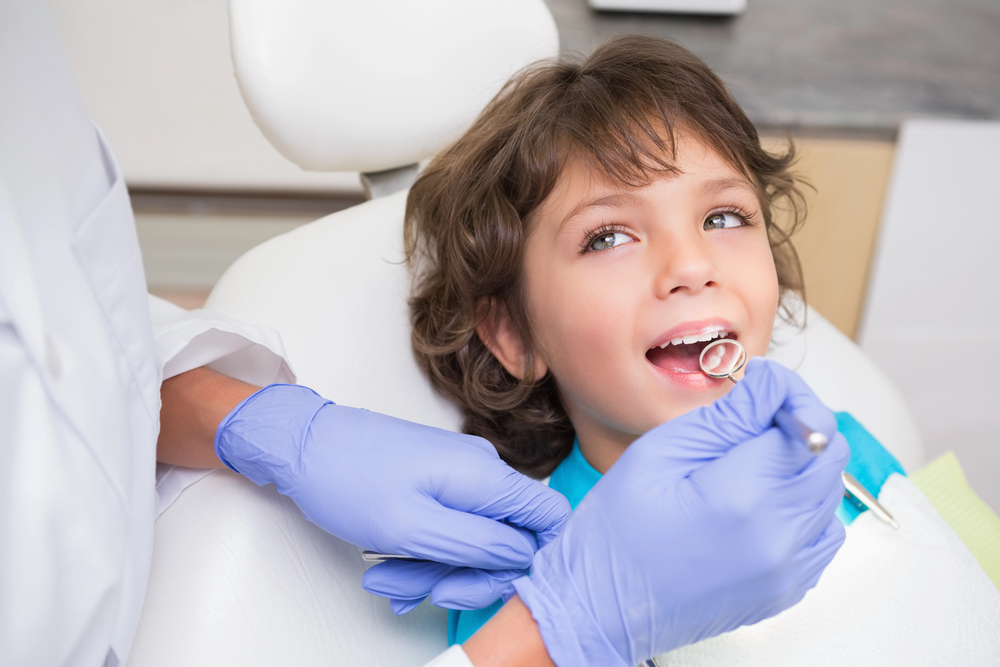
Establishing a strong foundation for oral health is one of the most beneficial gifts a parent can provide for their child. From the moment that first milk tooth emerges, a lifelong journey toward a healthy smile begins. While it might seem that temporary teeth require less attention since they eventually fall out, these early pearly whites play a critical role in speech development, nutrition, and guiding permanent teeth into their correct positions. Ensuring your little one develops positive associations with the bathroom routine can prevent a multitude of issues in their teenage and adult years, fostering confidence and well-being. By staying informed and proactive, Australian families can navigate the complexities of paediatric dentistry with ease and assurance.
The Significance of Baby Teeth
Many parents are surprised to learn that dental hygiene should start even before the first tooth appears. Wiping a baby’s gums with a soft, damp cloth after feedings helps remove bacteria that can cause early decay. Once the first tooth erupts, usually around six months of age, it is time to introduce a soft-bristled toothbrush specifically designed for infants. These primary teeth are vulnerable to ‘bottle rot’ or early childhood caries if they are frequently exposed to sugary liquids, including milk or fruit juice, especially before naptime. Protecting these teeth ensures that the jaw develops correctly and that there is sufficient space for the adult teeth to emerge later on. This stage is also the ideal time to seek out children’s dental care handled by exceptional dentists, as early professional intervention can identify potential alignment issues or enamel deficiencies before they become painful or costly to treat.
Mastering the Brushing Technique
As children grow into toddlers, they often want to assert their independence. While encouraging them to hold the brush is a great way to build habits, parents generally need to supervise and assist with brushing until the child is about seven or eight years old. Use a pea-sized amount of low-fluoride toothpaste suited for children and encourage them to spit it out rather than swallow it. The technique should involve gentle, circular motions on all surfaces of the teeth, including the back molars where food particles commonly hide. Making the process fun by using a timer, playing a favourite two-minute song, or using a reward chart can transform a potential bedtime battle into a bonding activity that prioritises health. Consistent morning and night brushing routines are the cornerstone of a cavity-free childhood. It is also important to floss as soon as two teeth touch each other, as brushes cannot reach the tight spaces between teeth where plaque tends to accumulate and harden over time.
Dietary Habits for Strong Enamel
Diet plays an enormous role in the structural integrity of a child’s teeth. In Australia, where processed snacks are readily available, it is vital to be mindful of ‘hidden sugars.’ Foods like muesli bars, dried fruit, and flavoured yoghurts can stick to the grooves of the teeth, providing a feast for decay-causing bacteria. Instead, focus on providing ‘tooth-friendly’ snacks such as cheese, which helps neutralise acids, and crunchy vegetables like carrots or cucumbers that naturally scrub the teeth. Water should always be the drink of choice, particularly tap water in most Australian regions, as it contains fluoride which strengthens the developing enamel. Limiting sweetened beverages to rare occasions can significantly lower the risk of erosive wear and prevent the need for invasive dental procedures during the primary school years.
Fostering a Positive Dental Environment
Dental anxiety often stems from the unknown or from hearing adults discuss their own negative experiences. To ensure your child feels comfortable, start dental visits early—ideally by their first birthday. These ‘happy visits’ allow the child to get used to the sounds and sights of a clinic without the pressure of a specific treatment. Using positive language and avoiding words like ‘pain’ or ‘needle’ helps set a neutral tone. Modern paediatric environments are designed to be welcoming, often featuring bright colours or entertainment to keep little minds occupied. When parents project a sense of calm and importance regarding these check-ups, children are far more likely to view the dentist as a friendly ally in their health journey.
Long-Term Oral Wellness
Maintaining a focus on preventative care reduces the likelihood of emergencies and fosters a sense of responsibility in the child for their own body. Regular six-monthly check-ups allow for professional cleans and the application of fissure sealants if necessary, which act as protective barriers on the chewing surfaces of permanent molars. By being diligent now, you are preventing future orthodontic complications and promoting overall systemic health. Educating yourself on the importance of early childhood dental care is the first step in ensuring your family stays on the right path toward lasting oral wellness.
Inside Digital Dentistry: Innovations That Are Redefining Modern Oral Healthcare
The landscape of modern oral healthcare has undergone a profound transformation, moving away from the era of messy putty impressions and guesswork. Today, Australian clinics are at the forefront of a digital revolution, integrating sophisticated hardware and intelligent software to enhance patient outcomes. This shift is not merely about replacing old tools; it is about a fundamental change in how clinicians perceive, diagnose, and treat dental conditions. By moving into a fully digital workflow, the industry has managed to bridge the gap between clinical necessity and aesthetic desire, ensuring that every procedure is as efficient as it is effective.
The Rise of Precision Diagnostics and AI
One of the most significant leaps in recent years is the widespread adoption of Artificial Intelligence (AI) and high-resolution 3D imaging. Traditional 2D X-rays, while still useful, are increasingly being supplemented or replaced by Cone Beam Computed Tomography (CBCT) and intraoral scanners. These tools allow dentists to view the mouth in three dimensions, revealing hidden infections, bone density issues, and structural nuances that were previously invisible.
AI algorithms now assist practitioners by scanning these digital images for the earliest signs of decay or periodontal disease. This “second pair of eyes” reduces the margin for human error and allows for proactive interventions. When diagnostics are this precise, the need for invasive “exploratory” work is virtually eliminated, leading to a much more comfortable experience for the patient.
Personalised Aesthetics and Digital Planning
In the realm of cosmetic dentistry, the focus has shifted from generic “Hollywood” smiles to results that are authentically tailored to the individual. Modern practitioners now utilise personalised treatment planning with digital smile design tools to create a blueprint for a patient’s new look before any physical work begins. This process involves high-definition photography and 3D scanning to map the patient’s facial proportions, lip line, and gingival architecture.
This digital-first approach serves two primary purposes. First, it acts as a powerful communication tool, allowing patients to see a virtual “preview” of their results and provide feedback. Second, it serves as a precise technical guide for the fabrication of restorations. Whether it is a single crown or a full-arch rehabilitation, the digital plan ensures that the final result harmonises perfectly with the patient’s natural features.
3D Printing and Same-Day Restorations
The speed of modern dentistry has been accelerated by the arrival of chairside milling and 3D printing. In the past, a patient requiring a crown or bridge would have to wear a temporary restoration for several weeks while a dental laboratory fabricated the final piece. Today, many Australian practices have brought the laboratory into the clinic.
Once a tooth is prepared and scanned, the data is sent to an in-office milling machine or 3D printer. Within an hour, a high-strength ceramic or resin restoration is ready to be bonded. This “same-day dentistry” not only saves the patient multiple trips to the clinic but also ensures a superior fit, as the digital data does not suffer from the minor distortions often found in traditional physical moulds.
Minimally Invasive Techniques and Guided Surgery
Digital technology has also made surgical procedures, such as dental implant placement, significantly safer and less invasive. Using “guided surgery,” dentists can virtually place an implant on a computer screen using the patient’s 3D bone scans. A custom surgical guide is then 3D-printed to fit over the patient’s teeth during the actual procedure, directing the drill with sub-millimetre accuracy.
This level of planning reduces surgery time, minimises trauma to the surrounding tissue, and leads to faster healing. Similar precision is applied to the world of porcelain veneers. By combining the precision of technology with advanced material science, dentists can now offer ultra-thin veneers that require little to no removal of the natural tooth enamel, preserving the structural integrity of the tooth while achieving a flawless aesthetic result.
The Evolution of Oral Care: Integrating Technology into Everyday Dental Health
The landscape of dental hygiene has shifted dramatically from the rudimentary tools of the past to the sophisticated, data-driven systems of 2026. Historically, oral care was reactive, focusing on extractions and pain management with simple manual brushes. Today, the philosophy has pivoted toward proactive preservation, where biological science meets digital precision. This evolution is not merely about better tools but about a fundamental change in how individuals and professionals monitor, diagnose, and treat the oral cavity to ensure lifelong health.
The Rise of Smart At-Home Diagnostics
Modern oral care begins in the bathroom, where the humble toothbrush has been replaced by intelligent bio-feedback devices. These smart brushes utilize pressure sensors and artificial intelligence to map the mouth in real-time, ensuring no surface is neglected. Beyond mechanical cleaning, the integration of salivary diagnostics now allows some high-end devices to monitor biomarkers for systemic health issues, such as early indicators of inflammation or glucose imbalances. This shift from simple scrubbing to comprehensive health monitoring empowers individuals to take ownership of their preventative care before clinical intervention becomes necessary.
Digital Precision in Modern Practice
When professional intervention is required, the experience is now defined by seamless digital integration. The shift toward paperless, cloud-based environments has streamlined the patient journey from the first digital scan to the final restoration. This efficiency is most evident in local clinics powered by experienced dentists using advanced dental software, where patient records, 3D imaging, and AI-assisted diagnostic tools converge. These platforms allow practitioners to detect microscopic fissures or early-stage demineralisation that would be invisible on traditional film, ensuring that treatments are minimally invasive and highly targeted.
AI and the Predictive Future of Oral Health
Artificial Intelligence is currently the most significant catalyst for change in the industry. Machine learning algorithms now assist in analyzing thousands of radiographs to identify patterns in bone loss or decay with a level of consistency that exceeds human capability alone. Furthermore, predictive analytics can now forecast a patient’s risk for periodontal disease based on their genetic markers and lifestyle data. This allows for the creation of bespoke “oral health roadmaps,” where the frequency of visits and the types of prophylactic treatments are tailored specifically to the biological needs of the individual rather than a generic six-month schedule.
Advanced Materials and Sustainable Solutions
The evolution of oral care also extends to the physical materials used in restorative work. We have moved beyond metal amalgams to biocompatible, tooth-coloured ceramics and resins that mimic the light-reflective properties of natural enamel. Furthermore, there is a growing emphasis on sustainability; biodegradable floss and bamboo-based electric toothbrush heads are becoming the standard as the industry seeks to reduce its environmental footprint. These materials are not only better for the planet but are designed to be more harmonious with the human body, reducing the risk of allergic reactions or sensitivity.
Collaborative Care Through Teledentistry
The final frontier in the current evolution is the breakdown of geographical barriers. Teledentistry has matured into a vital component of the Australian healthcare system, providing remote consultations and post-operative monitoring through high-definition video and mobile imaging apps. This ensures that patients in rural or underserved areas have the same access to specialist advice as those in metropolitan hubs. As we look forward, the synergy between home-based technology and clinical expertise continues to redefine what it means to have a healthy smile. This progress is underscored by the latest innovations in dental care, which represent the pinnacle of modern, patient-centric health solutions.

Oral Health Essentials: Daily Care Strategies Backed by Dental Experts
Maintaining a healthy smile involves more than just an occasional check-up; it requires a disciplined daily routine and an understanding of the biological factors that influence oral hygiene. Dental experts agree that preventative care is the most effective way to avoid painful conditions and costly procedures later in life. By implementing scientifically backed strategies into your morning and evening rituals, you can preserve your enamel, protect your gums, and ensure your breath remains fresh throughout the day.
The Foundation of Effective Brushing
While most people brush their teeth twice a day, the technique used often dictates the level of protection achieved. Experts recommend the Modified Bass technique, which involves angling the toothbrush at 45 degrees toward the gum line. This specific angle allows the bristles to reach the sulcus—the small space between the tooth and the gum—where plaque tends to accumulate and harden into tartar. Using a soft-bristled brush is essential to prevent abrasion of the enamel and recession of the delicate gingival tissue.
It is also crucial to resist the urge to rinse your mouth with water immediately after brushing. Fluoride, a key mineral in toothpaste, requires time to bond with the tooth surface to remineralise weakened areas. By simply spitting out the excess paste and avoiding liquids for at least thirty minutes, you allow the fluoride to provide maximum protection against acid attacks from food and beverages.
Interdental Cleaning and Plaque Management
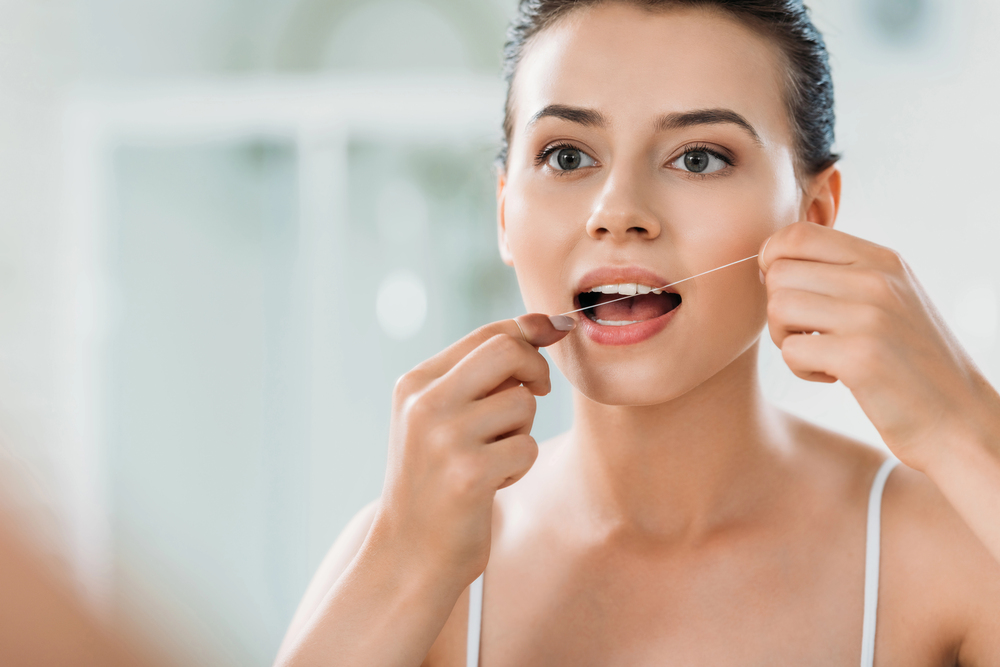
Brushing only cleans about sixty per cent of the tooth’s surface. The remaining forty per cent lies in the tight spaces between teeth, where a standard toothbrush cannot reach. These interdental zones are prime breeding grounds for anaerobic bacteria, which are responsible for both tooth decay and periodontal disease. Whether you prefer traditional floss, interdental brushes, or water flossers, the goal is to mechanically disrupt the biofilm every twenty-four hours.
Consistency in interdental cleaning prevents the inflammation of the gums, known as gingivitis. If left unchecked, this inflammation can progress to periodontitis, a more severe condition that affects the bone supporting the teeth. Modern dentistry emphasises that gum health is inextricably linked to systemic health, with research suggesting correlations between periodontal inflammation and heart disease or diabetes.
Professional Intervention and Maintenance
Daily habits are the first line of defence, but professional oversight remains irreplaceable. Even with meticulous care, mineralised deposits can form in hard-to-reach areas. Regular visits to a clinic ensure that these deposits are professionally removed before they cause permanent damage. For those seeking a higher standard of preventative care, accessing comprehensive dental services delivered by exceptional dentists allows for early detection of issues like micro-cavities or oral lesions that might be invisible to the untrained eye.
These professional consultations also provide an opportunity for personalised advice. Every individual has a unique oral microbiome and different risk factors based on genetics and lifestyle. A tailored hygiene plan created by a professional can address specific concerns, such as tooth sensitivity or the early signs of enamel erosion, ensuring that your daily efforts are as effective as possible.
The Impact of Nutrition and Hydration
What you eat and drink plays a direct role in the pH balance of your mouth. Frequent consumption of sugary or acidic snacks keeps the mouth in a state of “acid attack,” where the enamel is constantly being softened. Saliva is the body’s natural defence, acting as a buffer to neutralise these acids and wash away food particles. Drinking plenty of water throughout the day, especially after meals, supports saliva production and helps maintain a neutral environment.
Furthermore, certain dietary choices can influence the scent of your breath and the bacterial balance in your oral cavity. While garlic and onions are well-known culprits, many other foods contribute to bad breath by altering the chemical composition of your saliva or providing fuel for odour-producing bacteria. Balancing these choices with crunchy, high-fibre vegetables like carrots and celery can help “scrub” the teeth naturally and stimulate saliva flow, contributing to a cleaner, healthier mouth between brushings.
Advanced Root Canal Treatment: How Modern Technology Is Changing the Patient Experience
For many patients, the mere mention of a root canal evokes a sense of trepidation rooted in outdated dental myths. However, the landscape of endodontics has undergone a seismic shift over the last decade. Today, advanced root canal treatment is a sophisticated, highly predictable, and virtually painless process. By integrating cutting-edge diagnostics and precision tools, modern dentistry has transformed a once-feared procedure into a streamlined experience that prioritises both clinical success and patient comfort.
Precision Diagnostics with 3D Imaging
The evolution of the patient experience begins long before the treatment starts. Traditionally, dentists relied on 2D X-rays, which often hidden complex anatomical structures or secondary canals. The introduction of Cone Beam Computed Tomography (CBCT) has revolutionised this stage. CBCT provides a three-dimensional view of the tooth, roots, and surrounding bone tissue. This level of detail allows clinicians to map the internal architecture of the tooth with surgical precision, reducing the risk of oversight and ensuring the infection is addressed at its source. For the patient, this means fewer surprises during the procedure and a significantly higher success rate.
Enhanced Visualisation via Operating Microscopes
One of the most impactful technological advancements in endodontics is the use of the Dental Operating Microscope (DOM). In the past, dentists worked primarily by feel and limited line-of-sight. Modern clinics now utilise high-magnification microscopes equipped with powerful LED lighting. This technology allows the practitioner to see deep into the root canal system, identifying minute fractures or extra canals that are invisible to the naked eye. Because the dentist can see exactly what they are doing, the treatment is more conservative; less of the natural tooth structure needs to be removed, which preserves the overall integrity and strength of the tooth for the long term.
Robotic Instrumentation and Improved Safety
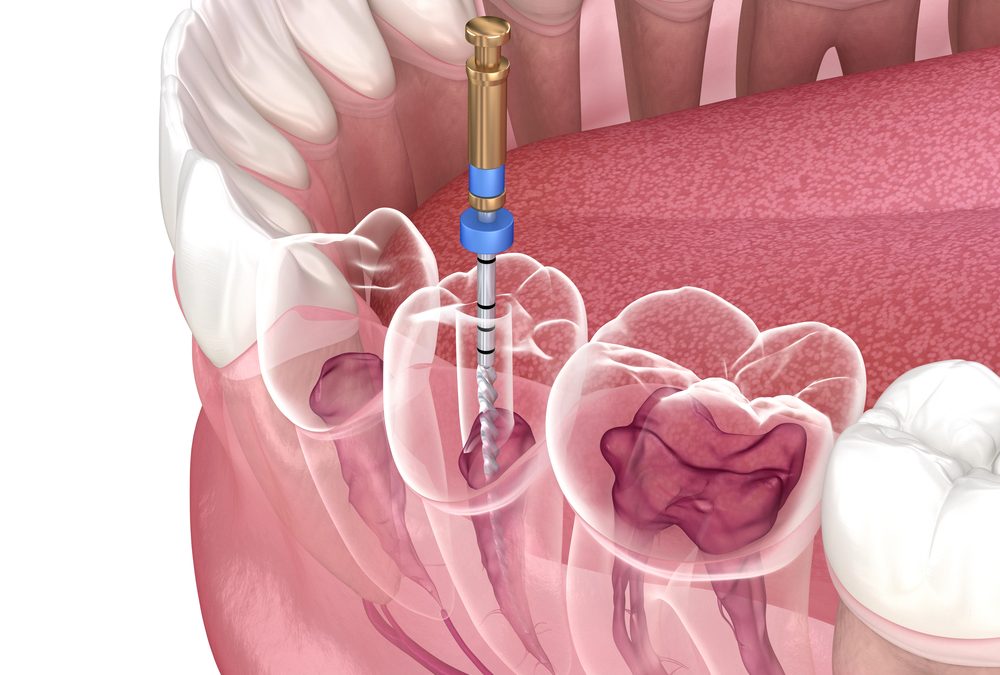
Modern endodontics has moved away from manual stainless-steel files to flexible, engine-driven nickel-titanium (NiTi) instruments. These “smart” tools are designed to follow the natural curves of the root canal without the risk of breaking or perforating the tooth wall. Furthermore, apex locators—electronic devices that measure the exact length of the root—allow for pinpoint accuracy. This is a critical component of how dentists ensure safe root canal treatment procedures today. By combining digital measurements with flexible instrumentation, the risk of post-operative complications is minimised, and the time spent in the dental chair is greatly reduced.
Laser-Assisted Disinfection
The primary goal of a root canal is the total elimination of bacteria from within the tooth. While traditional chemical rinses are effective, they often cannot reach the microscopic lateral canals where bacteria hide. Enter the dental laser. Laser-assisted endodontics uses light energy and acoustic waves to “blast” away biofilm and bacteria throughout the entire root system. This method is incredibly thorough and often results in less inflammation following the procedure. For the patient, this translates to a faster recovery period and a more comfortable healing process, as the laser is minimally invasive compared to older mechanical cleaning methods.
Single-Visit Efficiency and Comfort
In the past, root canal therapy often required multiple appointments, leaving the patient with a temporary filling and a lingering sense of “unfinished business.” Thanks to the speed and efficiency of modern rotary tools and digital imaging, most treatments can now be completed in a single visit. This is a major benefit for busy Australians who value their time. Additionally, advancements in local anaesthetics and sedation techniques ensure that the patient remains entirely comfortable. Modern anaesthesia is more localised and faster-acting, eliminating the “numb face” sensation that used to last for hours after the appointment.
The Future of Tooth Retention
We are currently entering an era where the focus is shifting from simply “filling” a tooth to actually restoring its biological vitality. The industry is seeing a move toward more holistic and biological approaches, including the use of regenerative technology which aims to repair damaged tissues rather than just replacing them with synthetic materials. This evolving science suggests a future where root canals might not just save a tooth’s structure, but potentially restore its internal living pulp. By embracing these sustainable and regenerative practices, modern dentistry ensures that patients can keep their natural smiles for a lifetime, backed by science that prioritises long-term health and minimal intervention. As these technologies continue to mature, the gap between “artificial repair” and “biological restoration” continues to close, offering a brighter outlook for dental health across Australia.